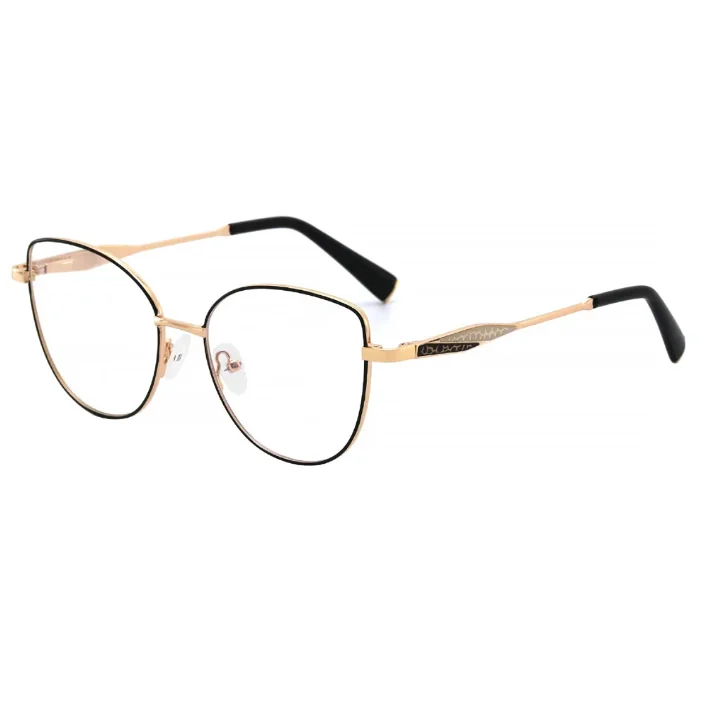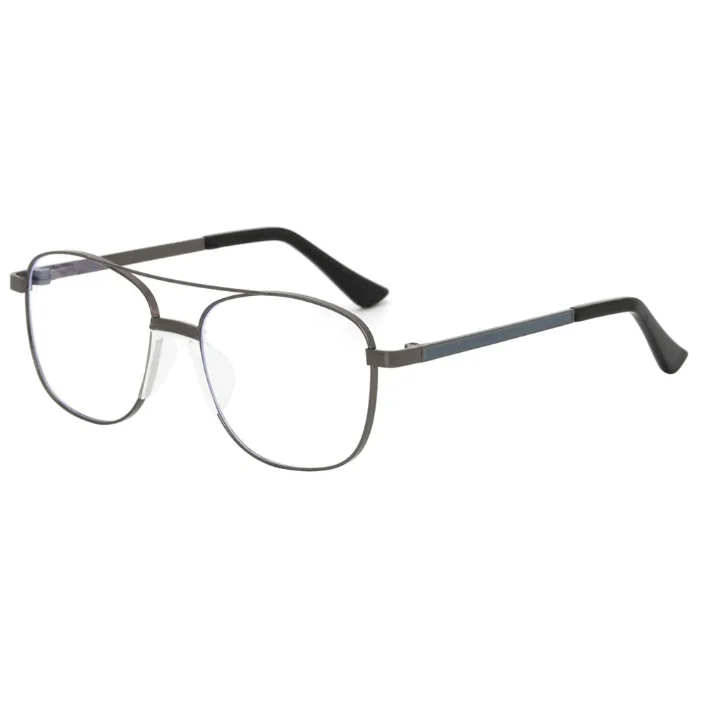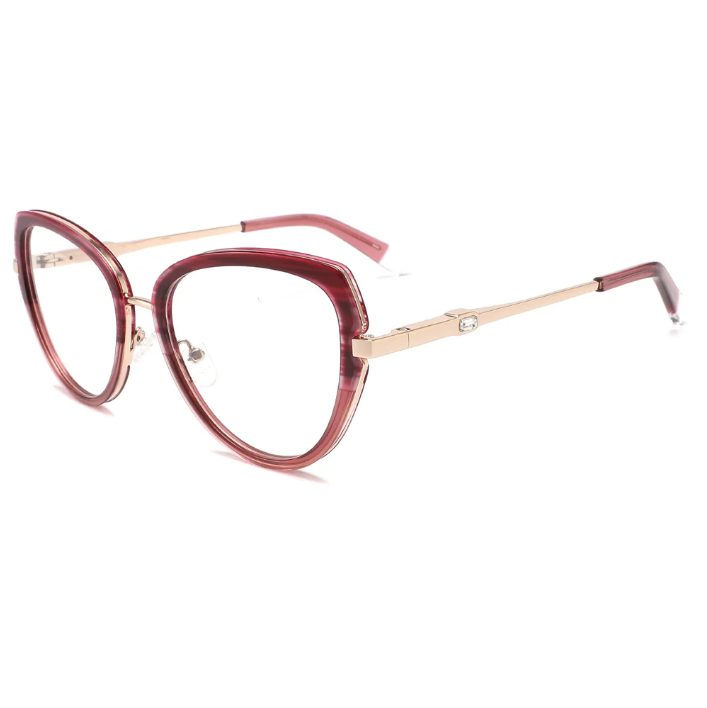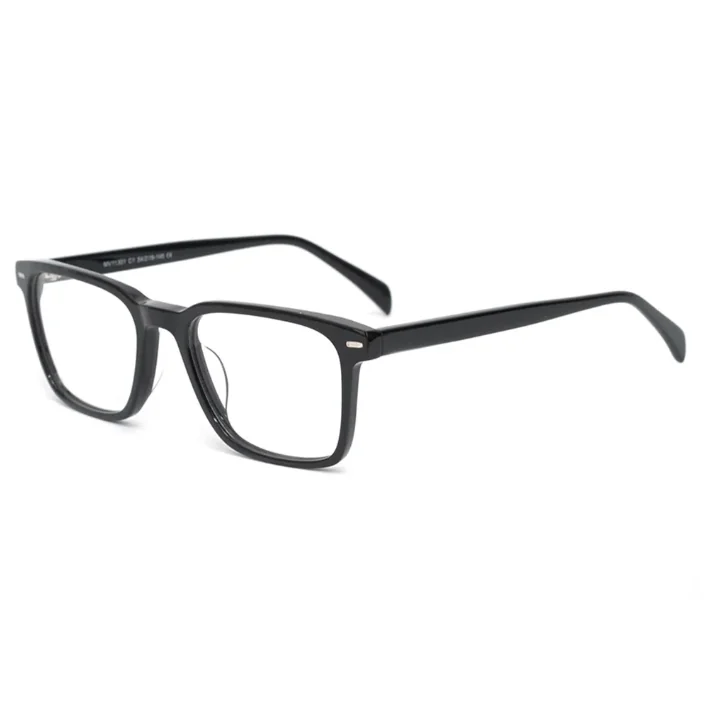
OEM, ODM and private label offer different ways to source optical frames. Private label is usually the fastest route for adding a brand to existing products. ODM allows buyers to select and customize factory-developed designs, while OEM is more suitable for buyer-led designs, structural changes and custom molds.
However, eyewear suppliers do not always use these terms consistently. Buyers should therefore define the required design ownership, customization, tooling and production specifications in every RFQ.
What Is the Difference Between OEM, ODM and Private Label?
The main difference is who provides the design and how extensively the frame is customized.
| Sourcing option | Starting point | Typical customization | Suitable for |
|---|---|---|---|
| Private Label | Existing stock frames | Logo, available colors, demo lenses and packaging | Buyers seeking a faster branded collection |
| ODM | Manufacturer-developed designs | Materials, colors, components, branding and selected design changes | Brands requiring more differentiation without creating every design independently |
| OEM | Buyer’s design or detailed specification | Frame construction, dimensions, materials, components and molds | Buyers developing an original optical frame collection |
These categories may overlap. For example, adding a logo to a stock frame is normally private label. Changing the color or components of an existing manufacturer design may be handled as ODM. A project that changes the frame structure or requires new tooling is more likely to follow an OEM process.
Learn more about JHEYEWEAR’s OEM and ODM optical frame services, including design support, sampleing and custom product development
When Should Buyers Use Existing Optical Frame Designs?
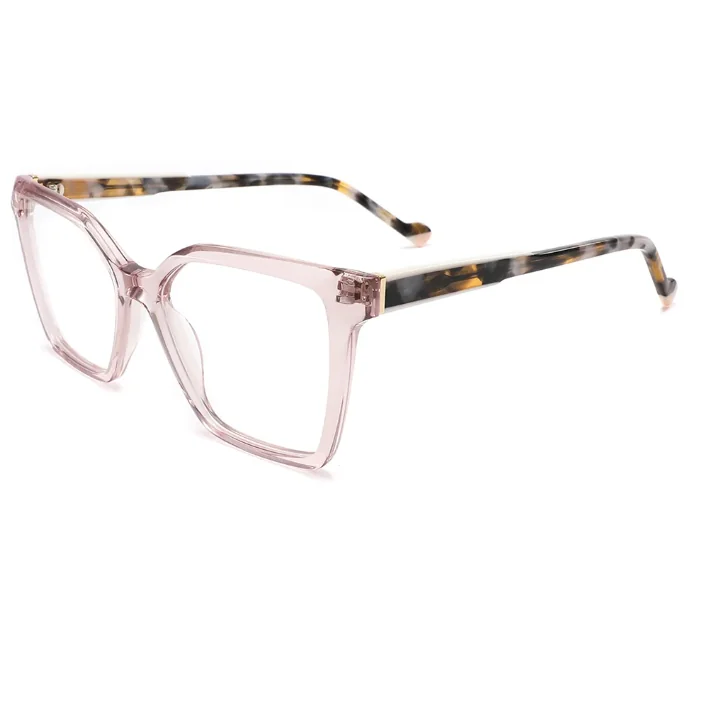
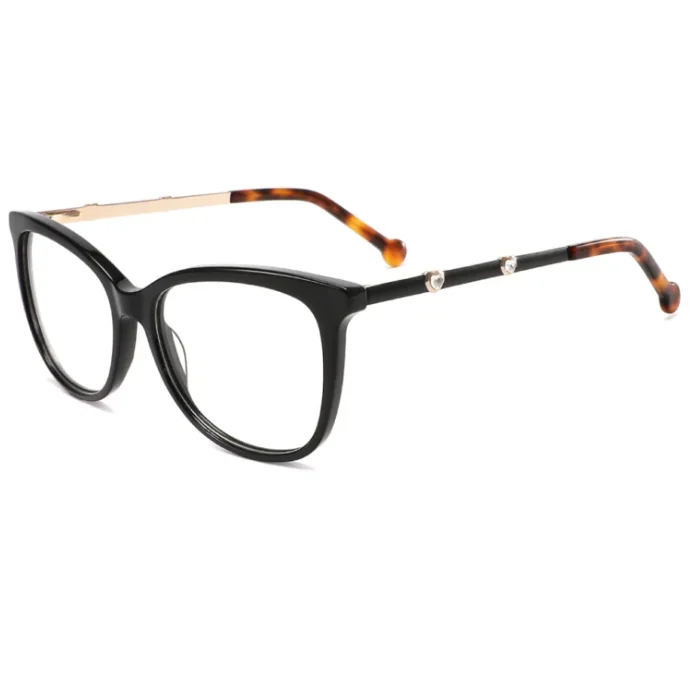
Existing designs are suitable when speed, manageable development work and product selection are the priorities. Buyers can review available adult, children’s, men’s, women’s and unisex optical frames before selecting models for their market.
JHEYEWEAR supplies PC, TR90, Metal, Acetate and Titanium Optical Frames. Available products may be customized with a buyer’s logo, selected colors, demo lens branding and packaging.
For stock frames with a customer logo, the MOQ is 300 pcs per order. Available models and colors can be mixed. This option can suit wholesalers, retailers and eyewear brands that want to test several styles without ordering 300 pcs of every model.
Stock availability and permitted combinations should be confirmed when requesting a quotation.
When Does an Optical Frame Need a Custom Mold?
A custom mold may be required when the requested design cannot be produced by modifying an existing frame. This can include a new frame shape, different dimensions, structural changes or specially designed components.
Before tooling begins, buyers should confirm key design details such as:
Frame measurements and shape
Material selection
Temple and bridge construction
Hinge and component requirements
Logo position
Surface finish and colors
Target market and intended wearer
JHEYEWEAR can assist buyers who provide reference images or design concepts. Depending on the project, the development materials may include 2D drawings, 3D drawings or product renderings.
A visual reference alone may not define every production detail. Measurements, materials and construction should be approved before a mold is made. Mold development time is evaluated separately and is not included in the normal mass-production lead time.
How Do Materials Affect OEM and ODM MOQ?
For custom production, MOQ depends on the optical frame material:
PC and TR90: 600 pcs per model
Metal, acetate and titanium: 300 pcs per model
Combination-material frames may require a project-specific assessment because their construction can involve different components and processes.
Private label packaging usually starts from 300 pcs. However, certain box structures, printing requirements or packaging suppliers may require 1,000 pcs. Buyers should provide packaging artwork and specifications early so the packaging MOQ can be checked together with the frame order.
Reorders follow the same applicable MOQ. Buyers should not assume that a repeat order will automatically qualify for a lower quantity.
How Are Designs and Samples Approved?
Samples help confirm appearance and production requirements before mass production. Depending on the project, buyers may request stock samples, logo samples, color samples, pre-production samples or packaging samples.
The approval method can include a physical sample, photographs, videos or supporting documents. Once approved, the sample becomes the reference for mass production.
For projects involving exclusive designs, buyers should define ownership and usage rights in writing. JHEYEWEAR can sign an NDA when required, while exclusive design arrangements can be agreed according to the project. Mold ownership, exclusivity, modification rights and future use should be stated clearly rather than assumed.
Normal mass production takes approximately 30–45 days after sample approval. This timeframe does not include new mold development. Sample fees may be credited when the formal order meets the agreed conditions.
What Information Should an OEM or ODM RFQ Include?
A clear RFQ should contain:
Reference images, drawings or selected frame models
Target material and quantity per model
Frame measurements and required changes
Logo artwork and preferred position
Color and finish requirements
Packaging specifications
Sample requirements
Destination market
Delivery schedule
Inspection or compliance document requirements
NDA or design-exclusivity requirements
The correct sourcing route depends on the intended result. Choose private label for branding existing stock products, ODM for adapting manufacturer-developed designs, and OEM when the project is driven by original specifications or custom tooling.
Providing complete information at the beginning helps JHEYEWEAR evaluate the design route, MOQ, sample process and production requirements more accurately.