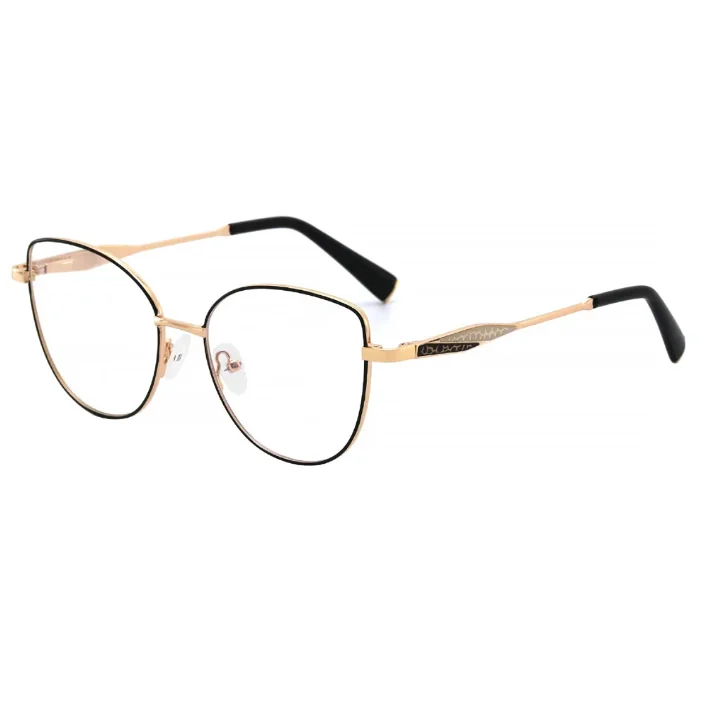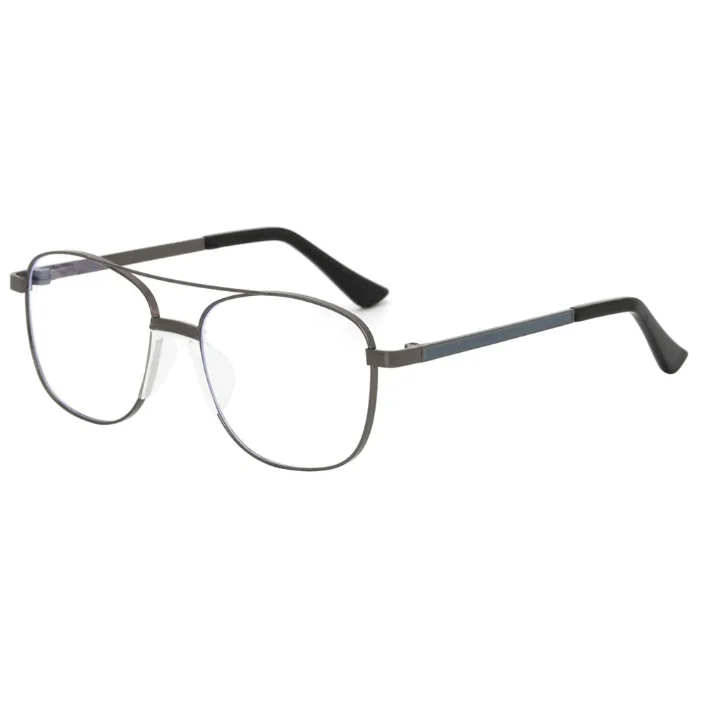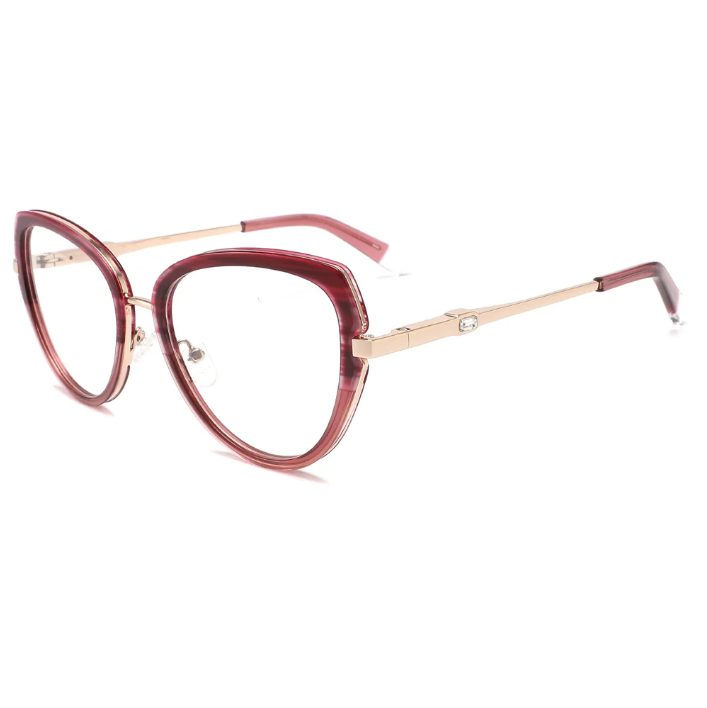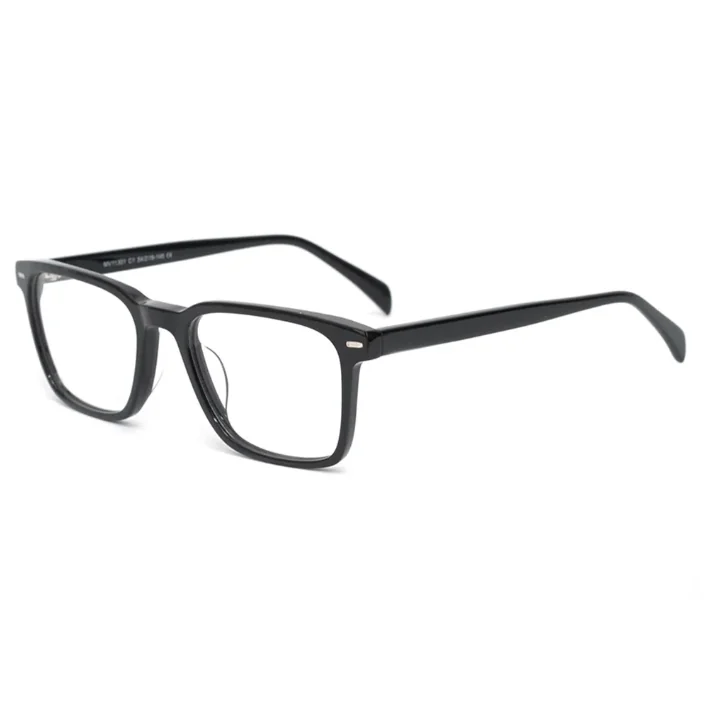
Reading glasses are closely related to daily visual needs, especially for users who spend long hours reading, working, or using digital devices. For B2B buyers, product consistency is an important part of supplier evaluation. Consistent declared lens power, stable production processes, and careful inspection methods all influence the final user experience. We focus on improving production control to provide reliable eyewear solutions for global partners.
In the eyewear industry, small differences in lens power or assembly quality may affect how users feel when wearing reading glasses. As a professional supplier, we pay attention to every production stage, from material selection to final inspection. Our goal is to support businesses that need stable quality and flexible manufacturing services for their eyewear product lines.
Quality-Control Steps Used in Reading Glasses Production
A professional reading glasses factory needs to manage consistency throughout the manufacturing process. Lens power inspection is an important step because reading glasses are designed to provide close-range vision support. Checking lens specifications helps reduce differences between products in the same production batch.
Production consistency also depends on proper matching between lenses and frames. The frame structure needs to hold lenses in the correct position to provide a comfortable wearing experience. During manufacturing, we review different components carefully to maintain product consistency.
For wholesale buyers, stable quality is important when developing long-term product plans. Retailers, optical stores, and eyewear brands usually need products that match their market requirements. A controlled production process helps suppliers respond to these expectations with better production management.
How We Check Consistency During the Eyewear Manufacturing Process
The inspection process starts before finished products are completed. We check incoming materials, including lens components and frame materials, to confirm they meet production requirements. This step helps maintain consistency before products move into assembly.
During assembly, our team reviews the connection between lenses and frames. Proper installation affects appearance, comfort, and durability. Each production stage requires attention because reading eyewear needs both lens consistency and practical usability. We also monitor production details during this stage to identify possible issues and keep each batch aligned with the required specifications.
Before shipment, finished products go through quality checks. We review appearance, structure, and packaging conditions. This process is especially important for overseas buyers who need stable supply support for different markets. Detailed inspection records also help improve communication between manufacturers and business partners during long-term cooperation.
Balancing Custom Orders and Production Consistency for Global Buyers
Different B2B customers have different purchasing requirements. Some buyers need standard products for quick market supply, while others need customised designs for their own brands. We provide OEM and ODM services to support these different business models.
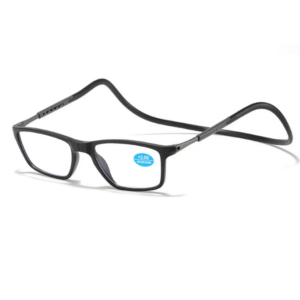
a magnetic neck-hanging reading-glasses model for Modern Users
Product design is another factor that influences purchasing decisions. Many users prefer reading glasses that are easy to carry and convenient for daily activities. One magnetic neck-hanging reading-glasses model is designed with a front-connecting magnetic structure, allowing users to wear and store them more conveniently.
This product uses PC as the frame material and features a square frame shape. The magnetic reading glasses design combines practical storage with everyday wearing needs. If a blue light filtering lens is supplied, its performance should be confirmed with product-specific specifications or test data.
For buyers searching for products with practical features, this style provides another option for expanding their eyewear categories. As a supplier with manufacturing experience, we focus on combining product functions with production stability to meet different wholesale requirements.
Maintaining Consistency as Reading Eyewear Demand Changes
The eyewear market continues to develop as users look for products that balance comfort, design, and functional needs. For businesses sourcing reading eyewear, production consistency remains an important consideration. Working with a suitable manufacturer requires attention to inspection methods, production capability, and supply flexibility.
For reading glasses, buyers should ask how declared lens power is checked, what sampling plan is used, how left-right lens consistency is reviewed, and how results are recorded. Any numerical tolerance should come from the applicable product specification or test requirement, not from a generic marketing statement.