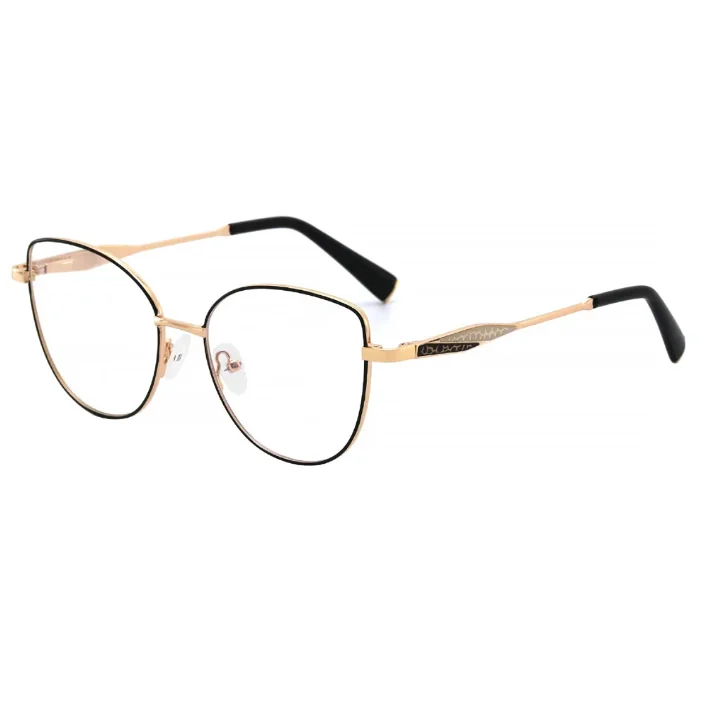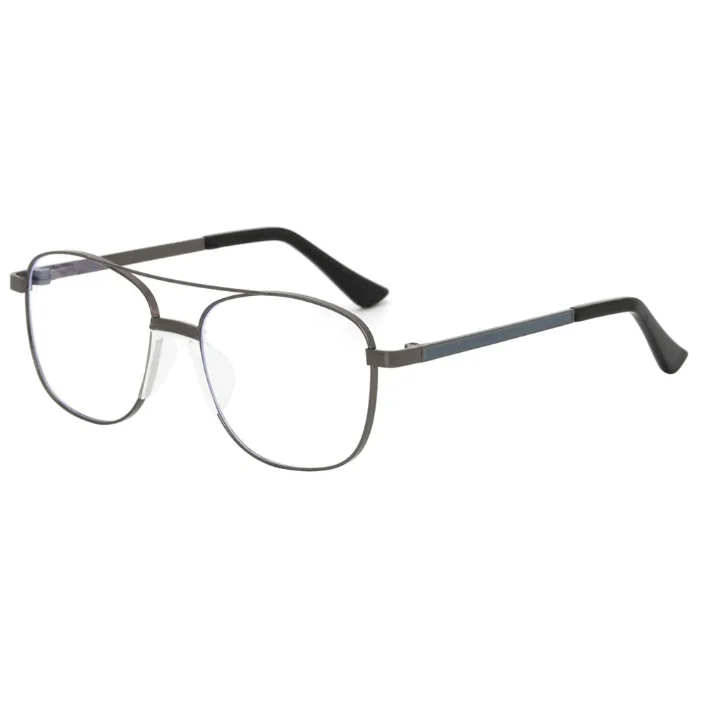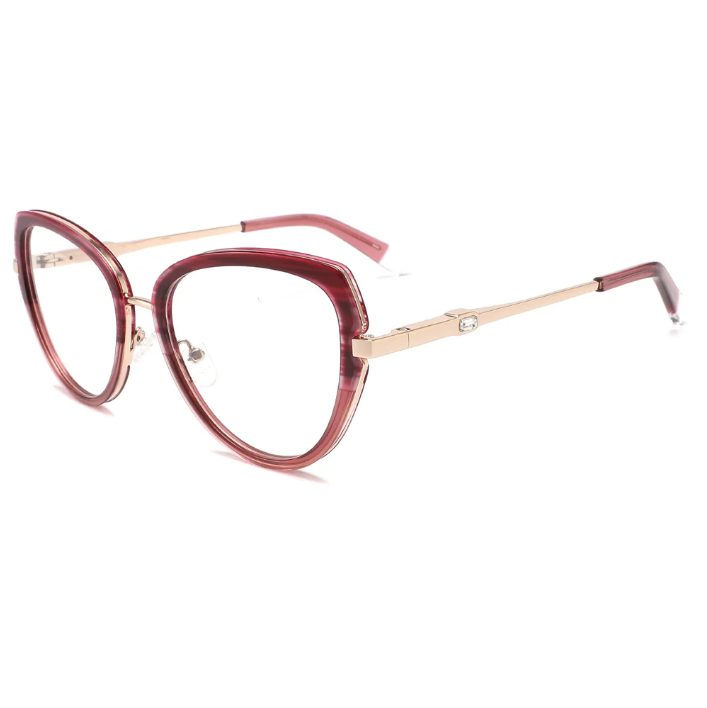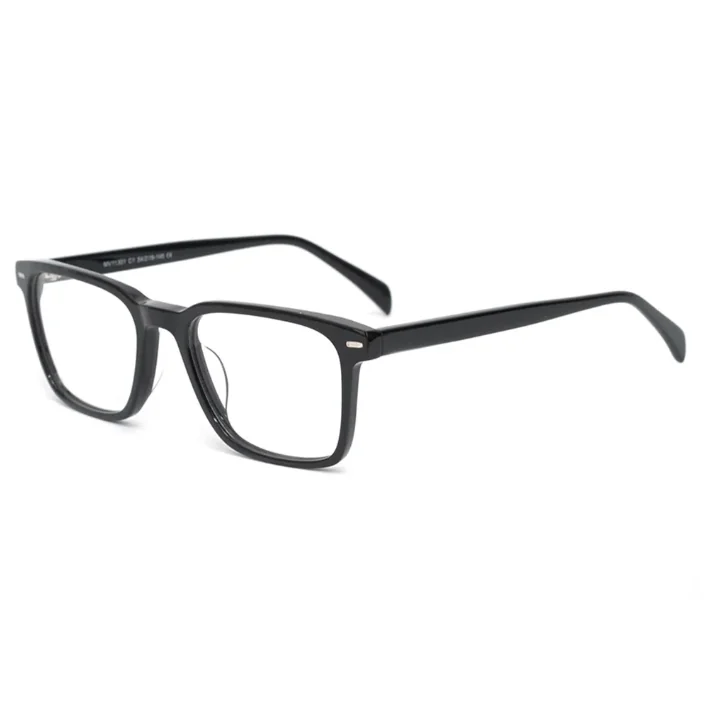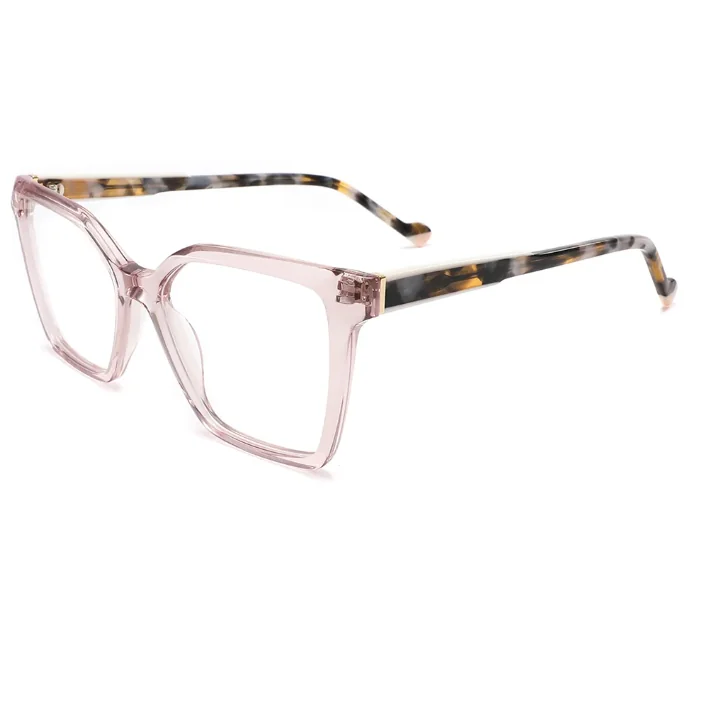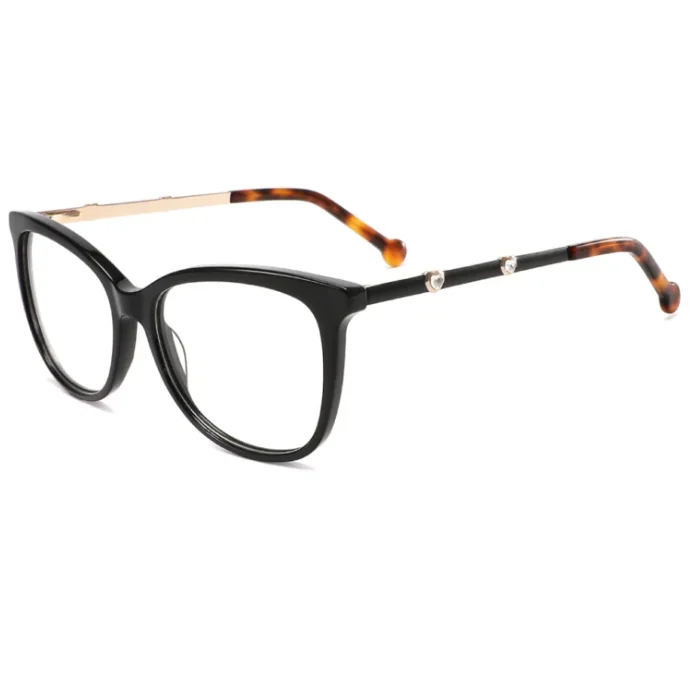
Choosing a sustainable material for optical frames requires more than comparing environmental labels. Buyers need to consider the manufacturing process, frame design, verified material content, durability requirements and environmental claims planned for the finished product.
The main options include recycled plastics, recycled-content or bio-based acetate, bio-based polyamide and metals with documented recycled content. No single material is suitable for every collection, so the decision should begin with the product design and target market.
Which Sustainable Materials Are Used for Optical Frames?
The main material groups available to eyewear buyers include:
| Material option | Common application | What buyers should verify |
|---|---|---|
| Recycled plastics | Injection-molded frames and components | Polymer type, recycled percentage and feedstock source |
| Recycled-content or bio-based acetate | Sheet-cut optical frames | Bio-based and recycled percentages, plasticizer and chain of custody |
| Bio-based polyamide | Lightweight injection-molded frames | Bio-based carbon content, material grade and test results |
| Recycled metals | Metal frames and components | Alloy, recycled percentage and supplier documentation |
| Natural or fiber-filled composites | Selected frame fronts, temples or decorative parts | Composition, consistency, repairability and finishing requirements |
As a practical starting point, buyers can consider acetate-based options for sheet-cut fashion frames, recycled plastics or bio-based polyamides for injection-molded designs, and documented recycled alloys for slim metal constructions. The final choice still depends on the required appearance, construction, testing and available material grade.
What Are Recycled Plastic Optical Frames?
Recycled plastic optical frames use polymers containing recovered pre-consumer or post-consumer material. Depending on the available grade and production method, possible materials may include recycled polycarbonate, polyamide, PET-based materials or recycled copolyesters.
However, the term “recycled plastic” is not sufficiently precise for a purchase order. Buyers should identify:
The specific polymer
The percentage of recycled content
Whether the input is pre-consumer or post-consumer
Whether the claim applies to the complete frame or only one component
The chain-of-custody method
Color and finish limitations
Testing requirements for the finished frame
Mechanical recycling processes may create limitations in color consistency, transparency or surface appearance. Some molecular or chemical recycling systems can provide certified recycled content through mass-balance allocation.
Mass balance requires careful wording. It tracks recycled feedstock through a production system, but it does not necessarily mean that the stated recycled molecules are physically present in each individual frame.
Are Acetate and Bio-Based Polyamide Sustainable Alternatives?
Cellulose acetate is produced partly from plant-derived cellulose, but that fact alone does not make every acetate frame environmentally preferable. Buyers should also examine its plasticizer, recycled content, manufacturing process and supporting documentation.
Newer acetate materials may combine bio-based cellulose with certified recycled feedstock. Some commercial eyewear materials use molecular recycling and mass-balance systems to combine recycled and bio-based content.
Bio-based polyamides provide another option for injection-molded optical frames. Certain eyewear-grade transparent polyamides are derived partly from castor oil, while PA11 can be produced from renewable castor-oil feedstock.
These materials can support lightweight and flexible frame designs, but buyers must confirm the exact grade. A conventional petroleum-based polyamide and a bio-based polyamide should not be treated as the same environmental material.
Most importantly, bio-based does not mean biodegradable. Bio-based describes the origin of part of the material. Biodegradability describes how a material breaks down under defined environmental conditions.
Can Metal Optical Frames Contain Recycled Material?
Metal frames can also form part of a lower-impact eyewear collection. Stainless steel, aluminum and titanium supply chains may incorporate recycled inputs, while metals can potentially be recovered again after use.
Nevertheless, “metal is recyclable” and “this frame contains verified recycled metal” are different claims.
A buyer intending to advertise recycled content should request documentation for the applicable alloy and production batch. Hinges, screws, plating, soldering and mixed-material components should also be considered because an optical frame is not made from the main front material alone.
Design can affect end-of-life recovery. Frames with fewer inseparable material combinations may be easier to sort, repair or dismantle, although actual recycling still depends on local collection and processing systems.
How Should Buyers Verify Environmental Claims?
Broad terms such as “green,” “eco-friendly” or “100% sustainable” are difficult to defend without clear supporting evidence. European guidance increasingly expects environmental claims to be specific, accurate and verifiable.
Before approving product descriptions or packaging, buyers should request:
Exact material and grade names
Recycled or bio-based content percentages
The calculation method
Applicable certificates and their scope
Chain-of-custody records
Transaction documents when required
Finished-product test reports
A clear definition of which frame components the claim covers
The Global Recycled Standard, for example, addresses recycled content and chain of custody. However, a manufacturer-level credential does not automatically prove that every optical frame or shipment is covered. The certificate scope, material and transaction documentation must match the actual order.
The same caution applies to terms such as recyclable, biodegradable, ocean plastic and carbon neutral. Each statement requires its own evidence and should not be inferred from an unrelated certificate.
How Should Buyers Source Sustainable Optical Frames?
Begin with the target market and product design rather than selecting a material from its marketing name alone.
A useful RFQ should include:
Preferred frame style and material
Target recycled or bio-based percentage
Required quantity per model
Color and surface-finish requirements
Logo and packaging specifications
Destination market
Required compliance documents
Environmental claims planned for the product
Required samples and testing
Third-party inspection requirements
JHEYEWEAR organizes relevant products under Recycled Material Eyewear, Bio-Based Eyewear and Eco-Friendly Eyeglasses. Material availability, MOQ and supporting documentation should be confirmed for each project because they can vary by material grade, design and order requirements.
Buyers may request material samples, color samples or pre-production samples before mass production. The approved sample should identify both the visible product details and the agreed material specification.
A credible sustainable optical frame project does not begin with a leaf symbol or a general environmental slogan. It begins with a defined material, traceable evidence, a suitable frame design and claims that accurately describe the finished product.