The reading glasses market has changed as consumers pay more attention to both visual comfort and personal style. For retailers, selecting suitable products is not only about offering different magnification levels. It also involves understanding customer preferences, seasonal trends, frame designs, and purchasing habits. A thoughtful merchandising strategy can help stores create a balanced product range for different age groups and lifestyle needs.
Retail buyers today often look for eyewear that combines practical functions with attractive appearance. At JHEYEWEAR, we focus on developing eyewear products that match the needs of wholesale customers, optical retailers, pharmacies, and private label programs. Our experience in eyewear production helps partners build product collections that fit their market positioning.

Understanding Customer Needs When Selecting reading glasses for women
Retailers need to consider how customers choose reading glasses in daily situations. Many users prefer products that are comfortable for long periods of reading, working, or using digital devices. Frame weight, lens performance, and visual style can influence purchasing decisions.
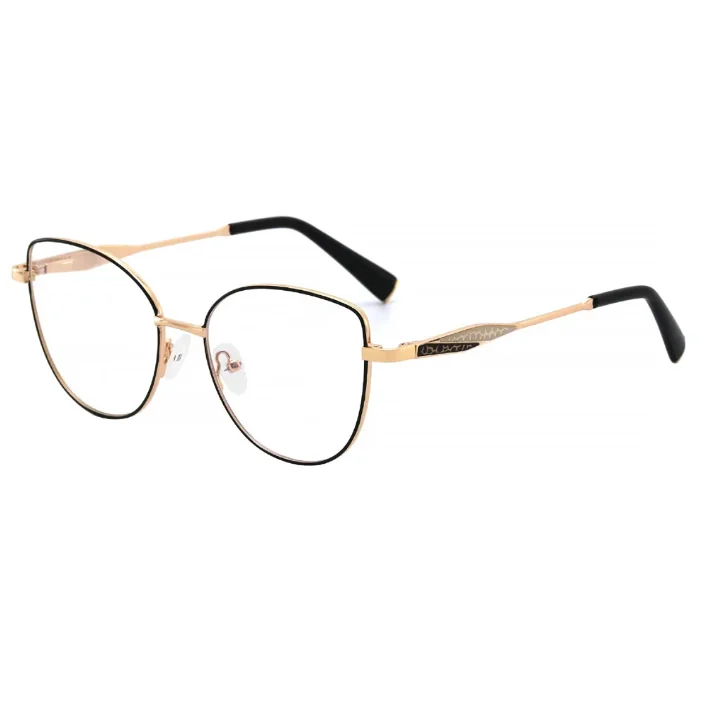
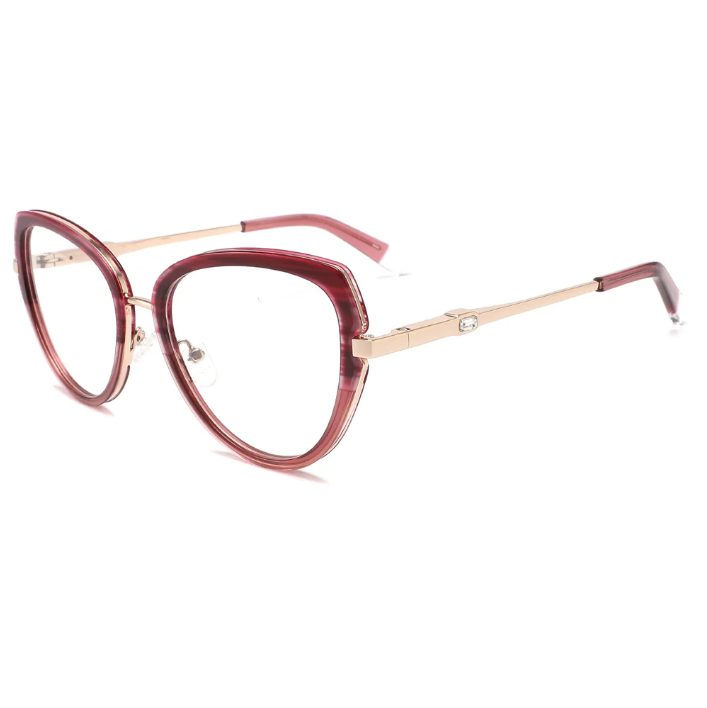
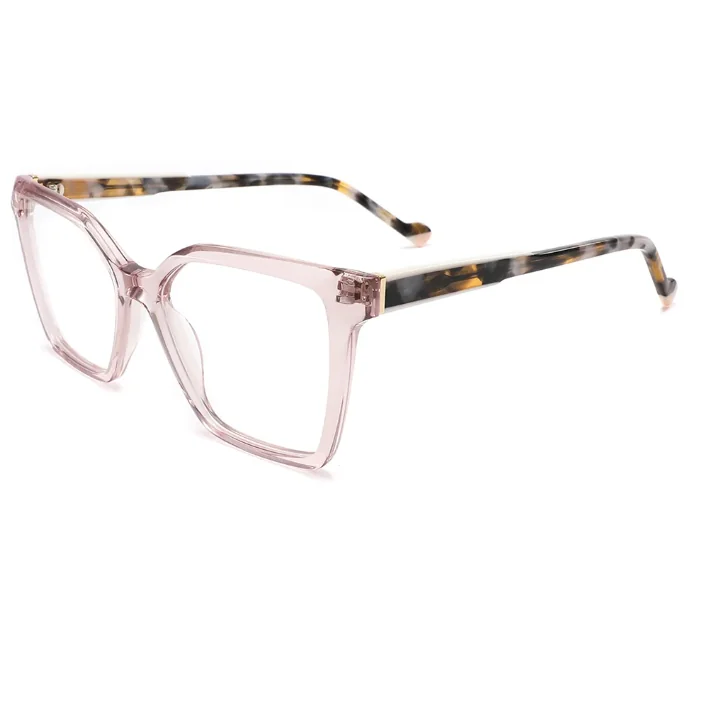
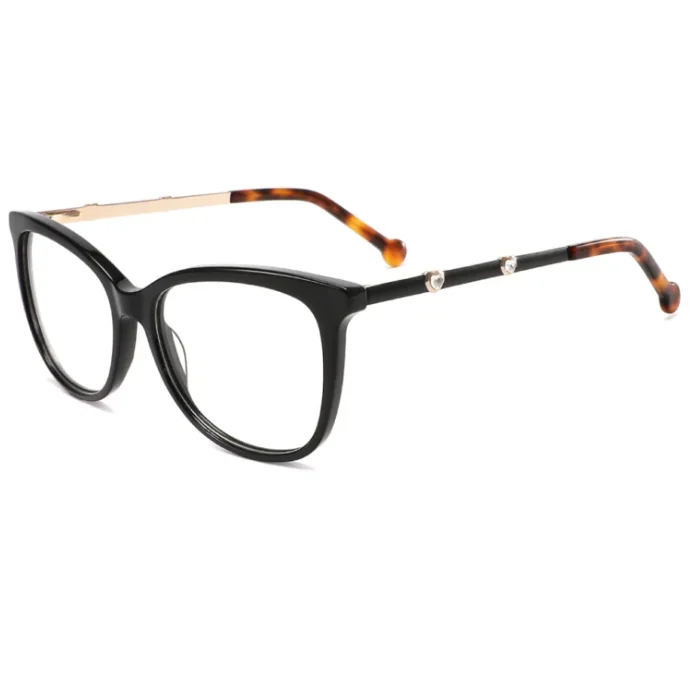
For female customers, appearance is often an important factor during product selection. Different customers may prefer classic shapes, modern designs, or lightweight frames that match their personal style. Therefore, retailers can improve product variety by including several frame styles instead of focusing on one design category.
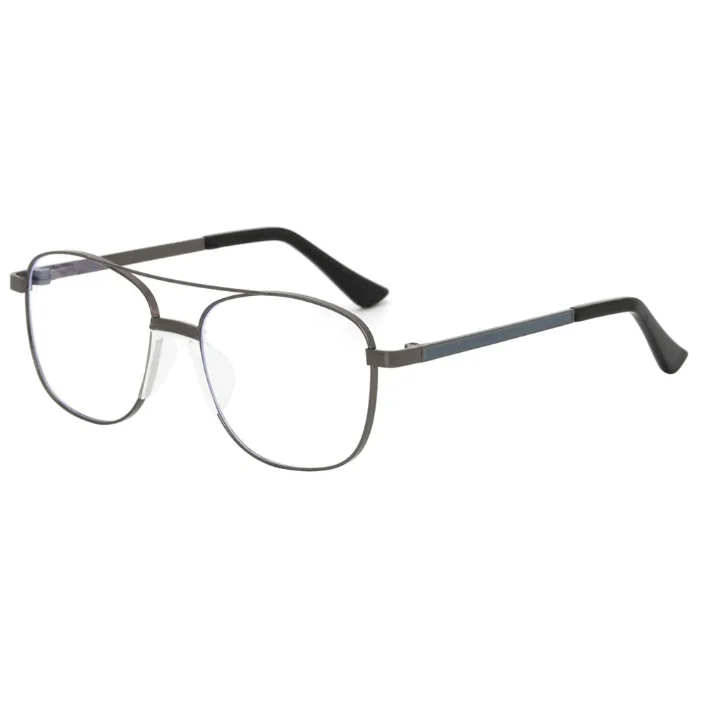
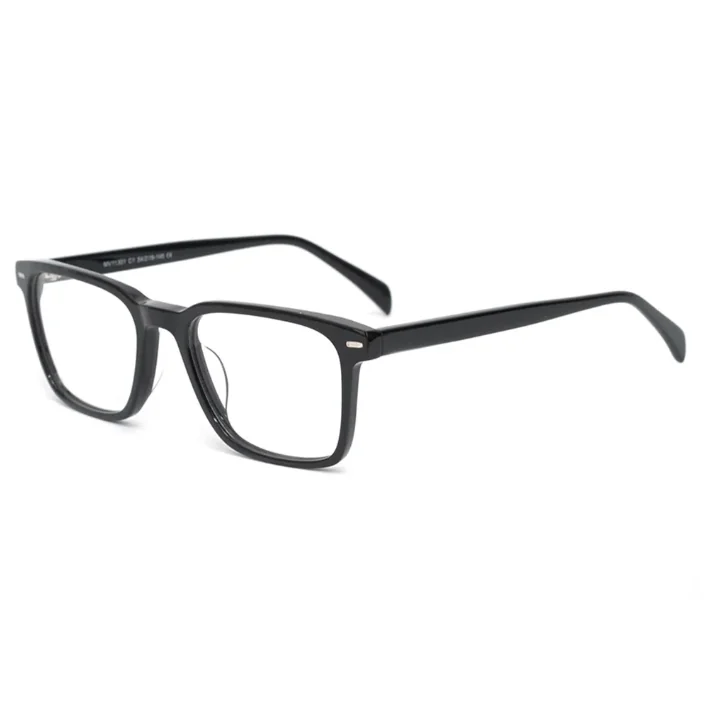
The demand for reading glasses for women has encouraged retailers to review both functional and fashion elements during purchasing. Square, round, cat-eye, and rimless frames can support different customer preferences and create more display options in stores.
When planning inventory, businesses should also consider price range and target customers. Pharmacies may focus on practical daily-use products, while fashion retailers may require more design-oriented collections. A clear understanding of customer groups helps buyers select products with suitable features.
Creating a Balanced Retail Display with Fashion Elements
A well-organized display can influence how customers explore eyewear products. Retailers can group reading glasses by frame style, lens function, or customer lifestyle. This method allows shoppers to compare options more easily and understand the differences between products.
Color selection is another important part of merchandising. Neutral colors can attract customers looking for simple daily accessories, while different frame colors can provide more choices for customers who want a fashionable appearance. Seasonal updates can also help retailers refresh their product displays.
Lightweight materials have become an important consideration in eyewear development. Many customers prefer frames that feel comfortable during extended use. Retailers can highlight material features when introducing new collections, especially for customers who value both comfort and appearance.
For businesses planning private label collections, working with a manufacturer that supports customization can simplify product development. JHEYEWEAR provides OEM and ODM services, including logo customization, color options, and packaging solutions. This allows retailers and brands to create products that match their own market requirements.
Product Features That Support Wholesale Reading Glasses Programs
Functional details remain important when retailers select products for their customers. Lens performance, frame construction, and available reading powers are key factors that affect product suitability. Buyers usually review specifications carefully before adding new eyewear items to their collections.
One example is a rimless reading-glasses model available with optional blue light filtering lenses, which is designed for retailers, pharmacies, wholesalers, and private label programs. This model uses PC and metal materials with a square frame shape. It features lightweight construction, blue light filtering lenses, and reading powers from +1.00 to +4.00.
The product design combines a simple appearance with practical functions. Rimless structures can provide a lighter visual style, while blue light filtering lenses may be marketed for screen-use applications, subject to product-specific performance evidence. These features give retailers another option when developing reading eyewear collections.
Improving Retail Competitiveness Through Reliable Supply Support
A successful merchandising plan requires stable cooperation between retailers and suppliers. Beyond product design, buyers need to consider quality inspection, production communication, packaging, and delivery schedules. These factors influence how smoothly businesses manage inventory.
Quality control is an important step during eyewear production. Manufacturers need to check frame structure, lens quality, and finishing details before products reach customers. Reliable inspection processes can help reduce product issues during retail operations.
Export experience also supports smoother cooperation with international buyers. Suppliers familiar with global markets can better understand different packaging requirements, communication processes, and customization requests. This is especially useful for companies developing their own eyewear brands.
As fashion preferences continue to change, retailers need flexible product strategies. Offering updated designs while maintaining practical functions can help businesses respond to different customer expectations. Reading glasses for women remain an important category where style, comfort, and usability need to work together.
Building Future-Ready Eyewear Collections for Retail Growth
Retail success depends on understanding customers and creating product selections that match real market needs. Reading glasses are no longer viewed only as functional tools. Many customers also consider frame design, comfort, and personal style when making purchasing decisions.
A useful assortment plan separates core styles from seasonal styles. Retailers can track sell-through by frame shape, colour, reading power, price band, and sales channel, then adjust the next purchase instead of relying only on general fashion trends.