Cycling requires more than clear forward vision. Riders need to observe surrounding conditions, including vehicles approaching from the side, changes in road surfaces, and movements from other cyclists. Peripheral vision plays an important role in helping riders collect environmental information without constantly turning their heads. Choosing suitable eyewear design can influence how comfortably riders view their surroundings during different cycling activities.
When developing cycling eyewear solutions, we focus on the relationship between lens design, frame structure, and practical riding needs. A well-designed pair of glasses should support visual awareness while providing protection from sunlight, wind, and outdoor conditions. Understanding these factors helps businesses select products that match the expectations of different cycling markets.
Beyond Clear Vision: Why Peripheral Awareness Matters in Cycling
During cycling, riders often need to process information from multiple directions. The road ahead is important, but side areas can also affect riding decisions. A wider field of view allows users to notice changes earlier, especially when riding in groups or navigating urban environments.
Traditional eyewear with limited coverage may create more visual barriers around the eyes. Modern cycling glasses usually focus on a larger lens shape and ergonomic structure to provide a more open viewing experience. This design approach helps riders maintain better awareness while keeping their attention on the road.
For companies researching cycling glasses, understanding peripheral vision is an important part of evaluating product value. Eyewear is not only a protective accessory but also a tool that supports outdoor performance and riding comfort.
Different cycling environments create different visual requirements. Road cyclists may need wider views when checking surrounding traffic, while mountain bikers may focus more on quick reactions to changing terrain. Product design needs to consider these differences during development.
How Lens Design Supports a Wider Field of View
Lens technology directly influences how riders experience their surroundings. A larger lens area can help reduce blind areas near the eyes, while suitable lens materials can improve comfort in changing light conditions. These details are important for brands developing cycling eyewear collections.
Polarized lenses are often considered for outdoor applications because they can help reduce reflected light from surfaces such as roads and water. UV protection is another factor buyers review when selecting cycling eyewear, especially for products designed for long outdoor activities.
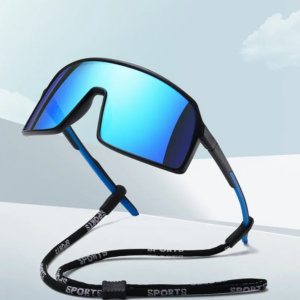
One cycling-glasses model is supplied with interchangeable lens options for different riding conditions. The product includes one TAC polarized lens and four PC UV400 lenses, allowing users to change lenses according to lighting environments and usage needs.
The interchangeable lens structure also provides flexibility for retailers and distributors. Cycling customers may have different preferences based on location, riding time, and outdoor conditions. Offering adaptable eyewear options can help businesses develop product lines that serve various market demands.
Frame Structure and Comfort: Small Details Behind Better Observation
Lens performance is closely connected with frame design. A suitable frame should stay stable during movement without creating unnecessary pressure. For cycling activities, lightweight materials and comfortable fitting are important because riders may wear eyewear for extended periods.
The frame shape can also influence the visible area around the eyes. A PC frame provides a practical balance between durability and lightweight performance. When combined with suitable lens dimensions, it can support a more open visual experience during riding.
At JHEYEWEAR, we consider different user requirements when developing cycling eyewear products. Our product solutions include options such as cycling glasses with prescription inserts, which can support riders who require vision correction while maintaining a practical outdoor design.
For B2B buyers, product details such as material selection, lens options, and wearing comfort can affect customer satisfaction. Understanding these elements helps brands choose eyewear products that fit their target market rather than focusing only on appearance.
What Cycling Eyewear Buyers Should Consider for Product Development
For distributors and eyewear brands, selecting cycling glasses involves more than reviewing basic specifications. Buyers usually need to consider product consistency, customization options, delivery schedules, and quality control processes. These factors influence how smoothly a product can enter different markets.
When evaluating cycling glasses, businesses should consider whether the product design matches the needs of end users. Features such as interchangeable lenses, UV protection, lightweight frames, and prescription compatibility can create more application possibilities for different customer groups.
Quality inspection is also an important part of our production process. We review materials, product appearance, and functional details before shipment. With more than ten years of export experience, we understand the requirements of international B2B customers and focus on stable cooperation.
Creating Flexible Cycling Eyewear Solutions for Different Markets
Cycling eyewear markets include professional sports, outdoor recreation, retail accessories, and private-label products. Each market may have different expectations for design, packaging, and product positioning. A flexible supply approach helps businesses respond to changing customer demands.
For companies building their own eyewear collections, JHEYEWEAR provides support from product selection to customization. We work with partners to develop eyewear solutions that consider market positioning, design requirements, and practical usage scenarios.
A reliable supply process allows businesses to maintain product updates while controlling inventory planning. This is especially useful for brands and distributors that regularly introduce new outdoor accessories to their customers.
Turning Peripheral Vision Into a Better Riding Experience
A wider shield lens may reduce obstruction from thick rims, but field of view also depends on frame geometry, lens position, fit, and the rider’s face shape. Buyers should therefore evaluate samples in the intended riding position rather than treating lens width alone as proof of better peripheral vision.