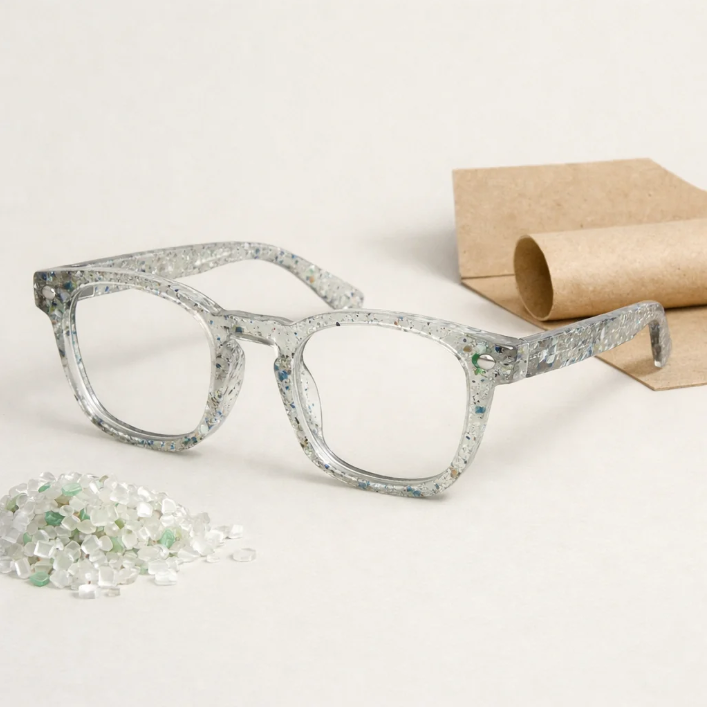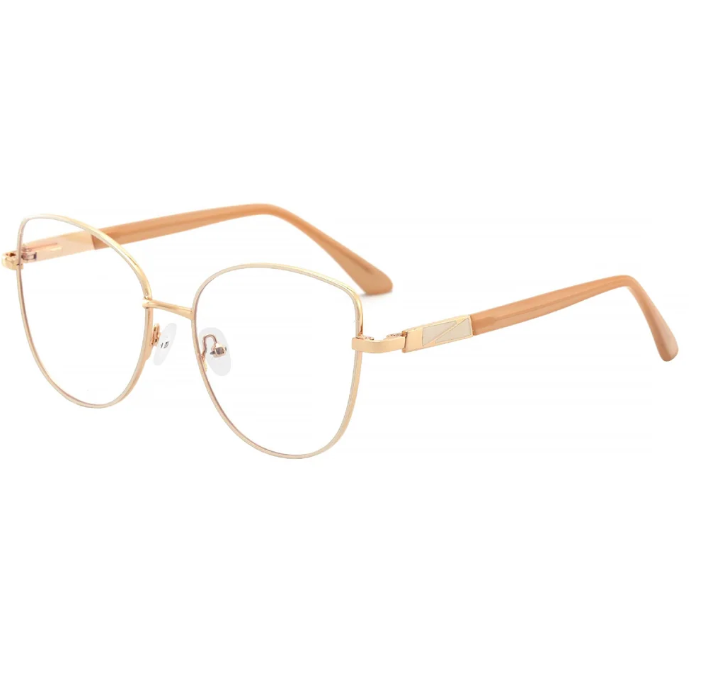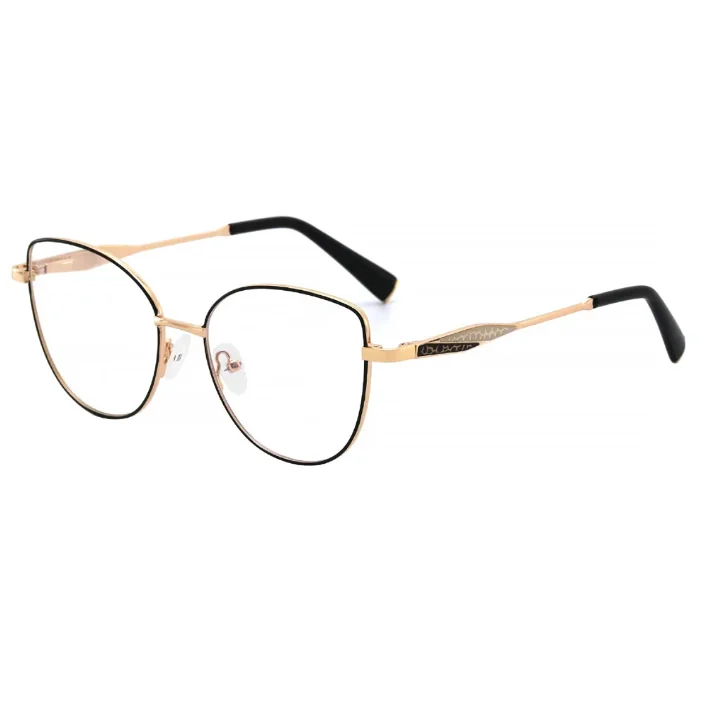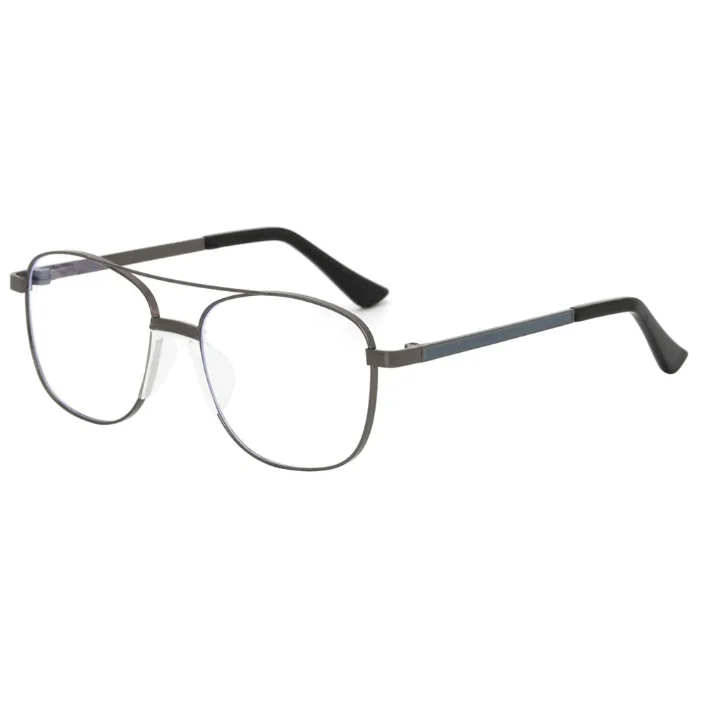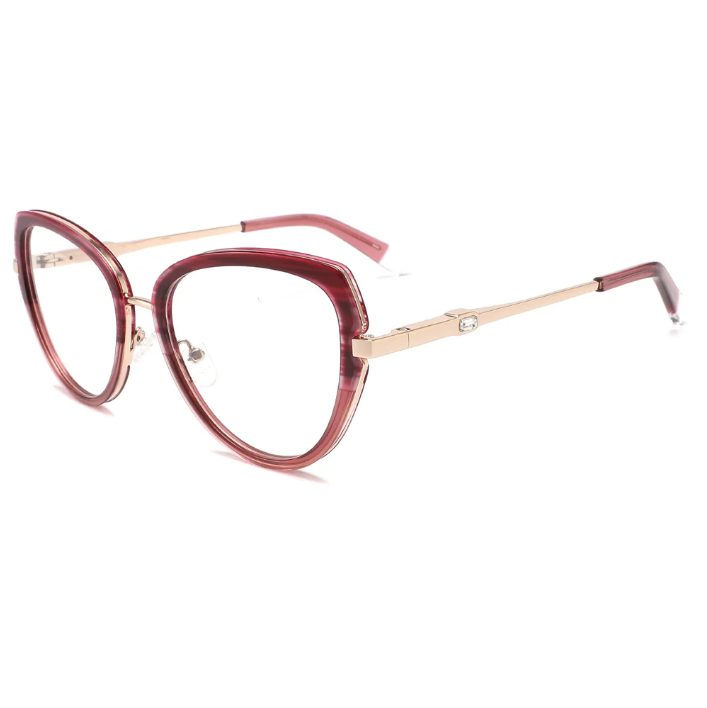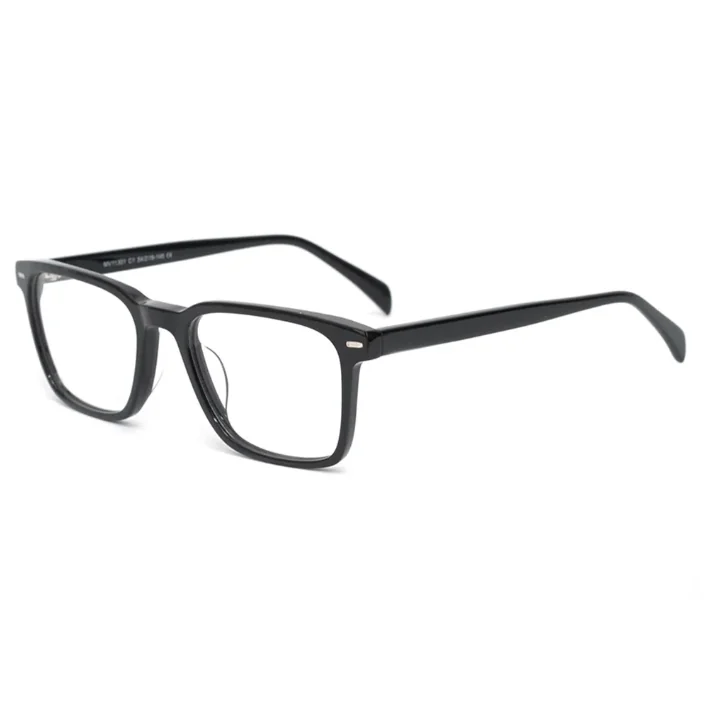
Eyewear design is not only about visual appearance. For wholesale buyers, optical stores, and fashion brands, frame structure, material performance, and production flexibility are important factors when selecting products. acetate optical frames have become a common choice for many markets because they combine design flexibility with practical wearing needs. Adding metal accents can create different visual effects while allowing designers to combine acetate with other frame materials.
Understanding the Role of Materials in Frame Design
When developing optical products, buyers usually consider comfort, durability, and appearance together. Acetate is widely used in eyewear because it allows different colors, patterns, and surface effects. Compared with simple plastic materials, acetate provides more possibilities for customized designs.
Metal elements are often added to improve the visual details of frames. Small metal parts, such as temple decorations, hinges, or front frame details, can create a refined appearance. However, these elements need to match the frame structure and production process.
For brands and retailers, selecting suitable materials can affect customer experience and product positioning. Different markets may prefer different combinations of colors, shapes, and decorative elements. Understanding these details helps buyers choose products that match their target customers.
Design Considerations When Combining Acetate and Metal
The combination of acetate and metal requires careful planning during production. The weight balance of the frame is an important factor because users wear glasses for many hours each day. A well-designed structure should provide comfortable wearing without creating unnecessary pressure.
Another important point is the connection between different materials. Manufacturers need to control the assembly process to maintain frame stability. Quality inspection during production can help identify issues related to surface finishing, fitting accuracy, and component connection.
For businesses looking for customized products, JHEYEWEAR provides eyewear solutions for different market requirements. The company supports OEM and ODM projects, including logo, color, material, and packaging customization. Its experience in export markets helps customers manage product development and communication.
How Wholesale Buyers Evaluate Acetate Frame Suppliers
Wholesale buyers often need suppliers that can support different order types. Some buyers may need ready stock for fast sales, while others may require customized products for private label projects. A flexible supply model can help businesses respond to changing market needs.
For example, customized acetate eyewear projects may involve selecting frame shapes, colors, materials, and brand elements. The product information of Acetate Men Glasses Customized Eye Wear Supplier includes a square frame design, unisex style, and size 49-19-145. The frame material is acetate, with support for OEM, ODM, and ready stock orders.
For businesses purchasing acetate optical frames, production details are also important. The specific acetate frame mentioned above has a MOQ of 300 pcs for OEM, ODM, and ready-stock orders, while MOQ requirements may vary for other products and projects. Stock orders for this product can typically be shipped within 3–7 days, while production lead times for customized orders vary according to the project requirements.
Quality Control and Customization Support
Quality management is an important part of eyewear manufacturing. Frame appearance, material condition, lens protection, and packaging details can influence customer satisfaction. Reliable suppliers usually apply inspection procedures before shipment.
JHEYEWEAR focuses on quality control and provides a 1-year warranty for products. The company uses packaging methods such as two-side lens protection and OPP bags to reduce damage during transportation. These details help wholesale customers receive products in suitable condition.
For private label projects, logo customization is available. Buyers can develop products that match their brand image through different colors, materials, and packaging options. The ability to adjust product details gives retailers more choices when creating their own collections.
Production Experience for International Eyewear Markets
Working with overseas customers requires experience in communication, production planning, and delivery management. Suppliers with export experience can better understand different market requirements and support buyers during the purchasing process.
With more than 10 years of export experience, JHEYEWEAR works with customers from different regions and provides factory-direct services. The company offers various eyewear categories, including sunglasses, optical frames, reading glasses, and eyewear accessories. This product range allows buyers to explore different solutions from one supplier.
The eyewear market continues to change with new fashion preferences and consumer demands. Combining acetate structures with metal details is one way brands can create products with different visual features while keeping practical functions. Choosing the right supplier helps businesses manage design, quality, and delivery requirements.
Building Practical Eyewear Solutions Through Better Design
The development of modern frames requires attention to both design trends and production details. Metal accents can add character to acetate frames, but successful products also depend on material selection, manufacturing control, and market understanding.
For buyers exploring acetate optical frames, working with an experienced manufacturer can simplify product development. From ready stock supply to customized projects, JHEYEWEAR provides options based on customer needs, helping businesses plan collections with suitable production schedules and specifications.
The combination of design knowledge and manufacturing capability allows eyewear brands and distributors to create products that meet different market expectations. Careful evaluation of materials, customization options, and supplier support can help build stable cooperation in the eyewear industry.