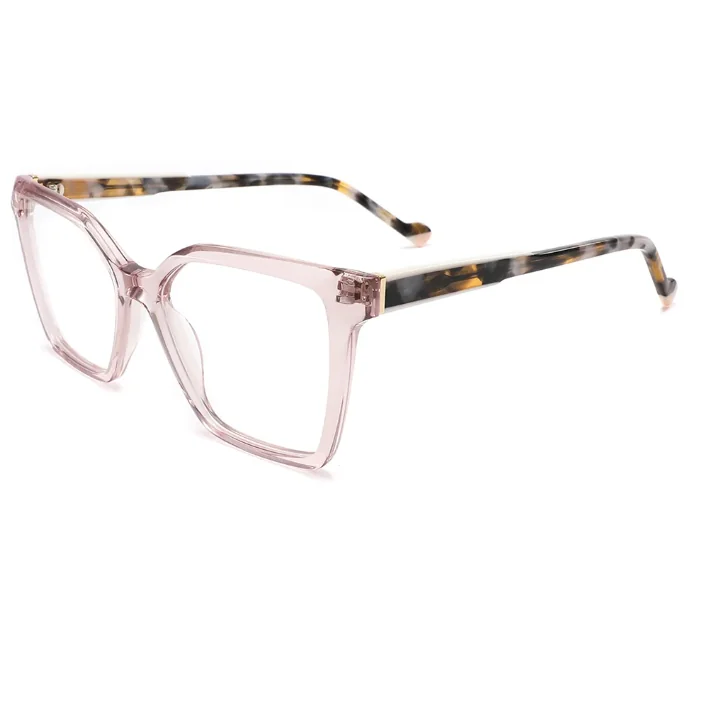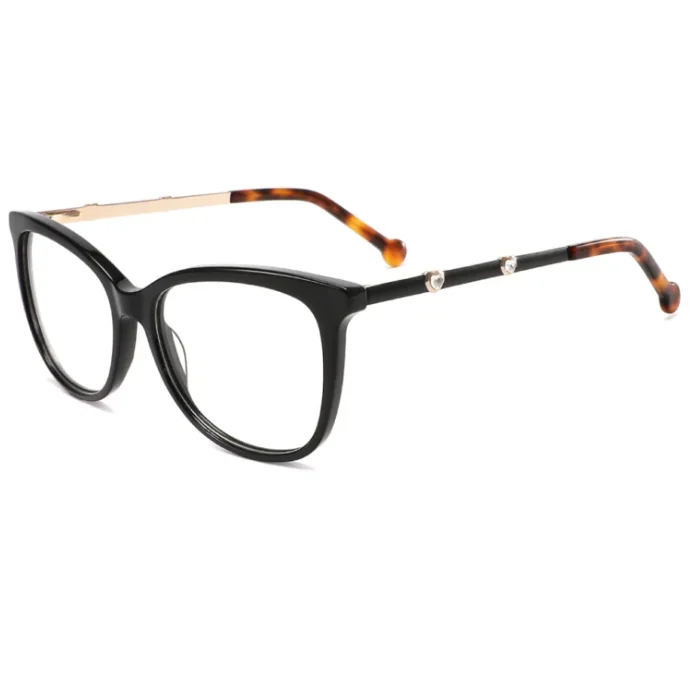
When optical brands develop new eyewear collections, frame material selection is an important step. Acetate frames are widely used because they offer design flexibility, comfortable wearing experience, and different style options. For brands that want to expand their optical product lines, understanding material features, production processes, and supplier cooperation methods can help make better sourcing decisions. Choosing suitable acetate eyeglass frames requires attention to quality, design, and manufacturing capability.
Understanding Why Acetate Is Used for Optical Frames
Cellulose acetate is a cellulose-based material commonly used in eyewear production. Compared with some traditional plastic materials, acetate provides more possibilities for color combinations, patterns, and frame designs. Optical brands can use different acetate sheets to create products that match their market positioning.
Frame comfort is also an important factor for optical stores and distributors. A suitable frame should balance weight, durability, and daily wearing needs. Acetate optical frames can be considered for collections designed for customers who wear glasses for extended periods, depending on the frame design and fit.
During product development, brands should also consider frame structure and size. Different face shapes and customer groups may require different designs. Square frames, round frames, and other shapes can be developed according to market demand. Careful selection of dimensions can improve customer experience and reduce product return issues.
Key Points for Optical Brands When Sourcing Frames
Supplier experience plays an important role in eyewear sourcing. Brands usually need support with material selection, production communication, packaging, and delivery planning. A supplier with export experience can better understand requirements from different markets and help manage the development process.
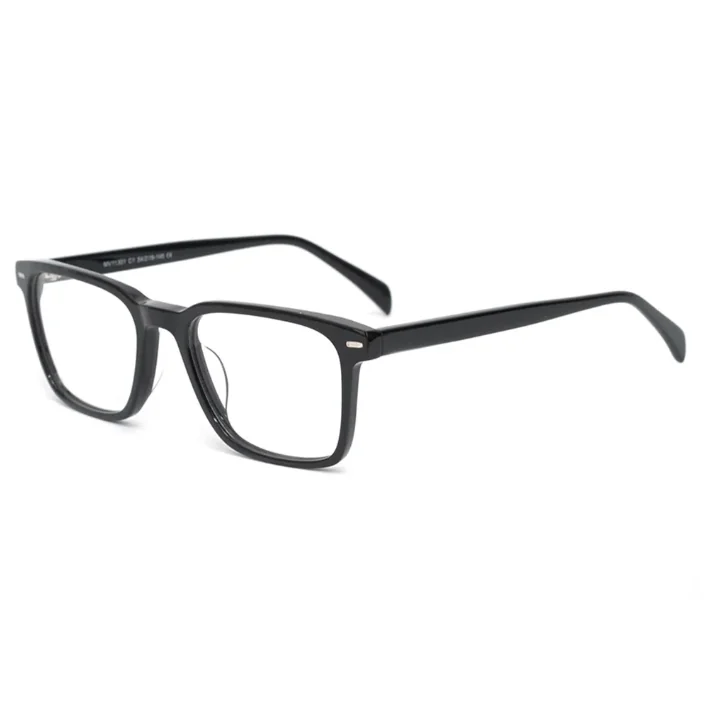
When we work with optical brands, we focus on providing practical solutions for different business models. JHEYEWEAR offers acetate optical frames with a square shape design, unisex positioning, and a 54-16-140 size specification. These frames use acetate materials and are suitable for optical stores and wholesale customers who need stable product options.
For businesses planning private label projects, OEM and ODM services can provide more flexibility. Customization may include logo, color, material, and packaging options. Brands can develop products based on their own market needs instead of only selecting standard styles from suppliers.
Production Details That Influence Purchasing Decisions
MOQ and delivery time are common concerns for optical buyers. For ready-stock products, lower order quantities can help businesses test market response before placing larger orders. For customized products, suppliers usually need more time for production preparation, material arrangement, and quality checks.
Our company provides different ordering options based on customer requirements. MOQ varies by product and order type. For example, some ready-stock items start from 100 pairs, while the specific acetate frame referenced here has a MOQ of 300 pcs. Stock orders may be shipped within 3–5 days, while customized production lead times vary according to product specifications, style, and quantity.
Quality inspection is another important part of eyewear production. Frames need to be checked for appearance, structure, material condition, and packaging before shipment. A clear inspection process helps wholesale buyers maintain stable product quality for their own customers.
How Custom Development Supports Brand Growth
Market trends in eyewear continue to change, and optical brands often need new styles to attract different customer groups. Custom development allows businesses to create collections with unique colors, shapes, and brand identity.
For companies that need private label services, JHEYEWEAR supports OEM and ODM cooperation with flexible customization options. Our factory experience includes international export projects, and we understand the importance of communication, production schedules, and product consistency.
Packaging is also part of the customer experience. Proper protection can reduce damage during transportation. Our eyewear packaging uses two-side lens protection and OPP bags to protect products before they reach distributors or stores.
Building Reliable Supply Partnerships in Eyewear
A reliable supplier relationship involves more than product manufacturing. Optical brands also need support with market changes, product updates, and order management. A supplier that can provide various styles and flexible services may help businesses manage different sales channels.
Material knowledge is another factor that buyers should consider. Acetate frames require suitable production methods to maintain appearance and wearing comfort. Suppliers need to understand how materials perform during processing and how finished products meet customer expectations.
For wholesale buyers, selecting suitable acetate eyeglass frames is not only about appearance. It also involves checking production ability, customization support, quality management, and delivery performance. These factors can influence long-term cooperation and business development.
Making Practical Choices for Future Eyewear Projects
Selecting suitable acetate frames requires a clear understanding of product features, customer needs, and supplier capabilities. Optical brands should evaluate materials, designs, order requirements, and production services before starting cooperation.
With more than 10 years of export experience, we provide eyewear solutions for wholesale customers, optical stores, and brands in different markets. JHEYEWEAR focuses on acetate optical frames, sunglasses, optical frames, and related eyewear products while supporting OEM and ODM projects.
For businesses searching for best acetate eyeglass frames, working with a supplier that understands materials, customization, quality inspection, and delivery planning can make product development more efficient. A practical sourcing approach helps brands create suitable collections and maintain stable supply for future market needs.