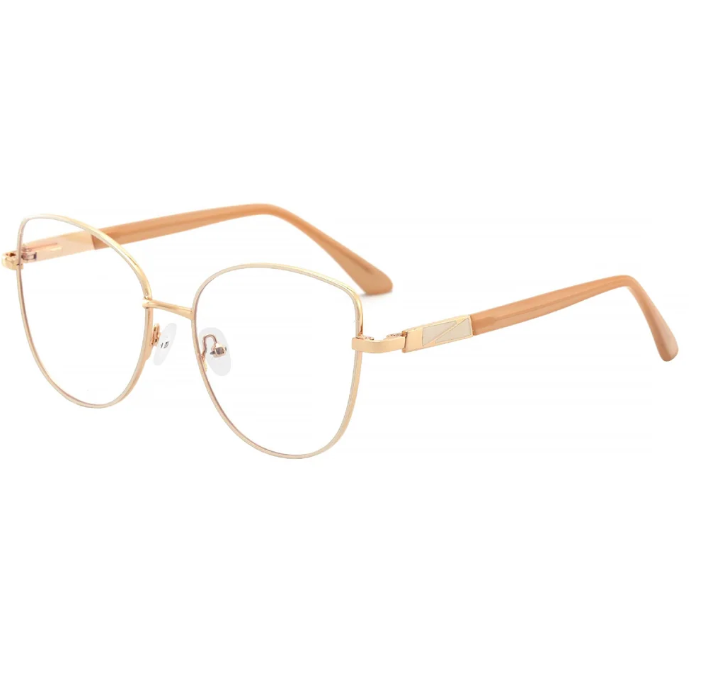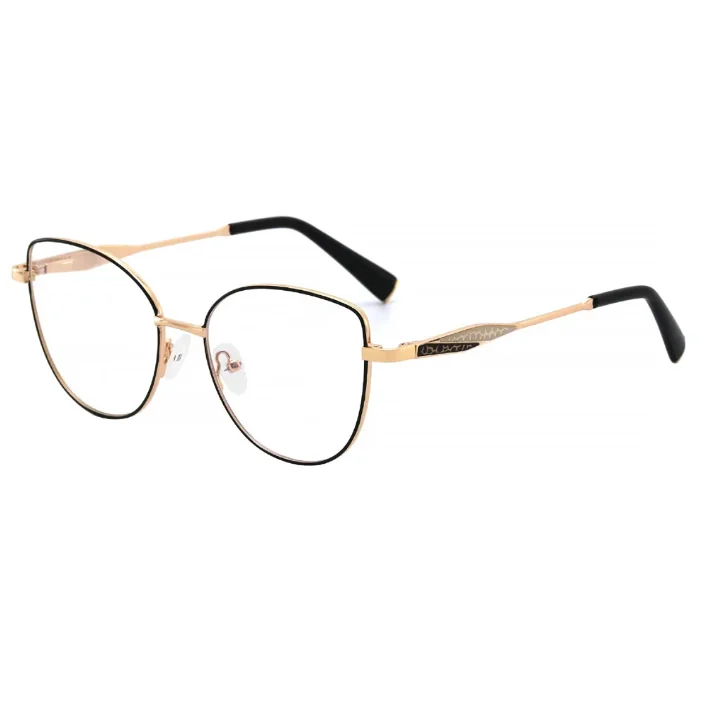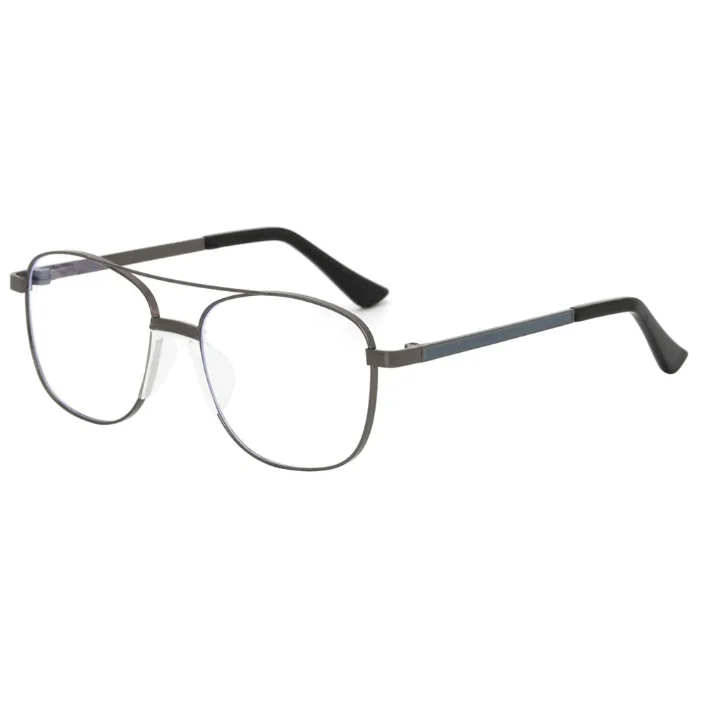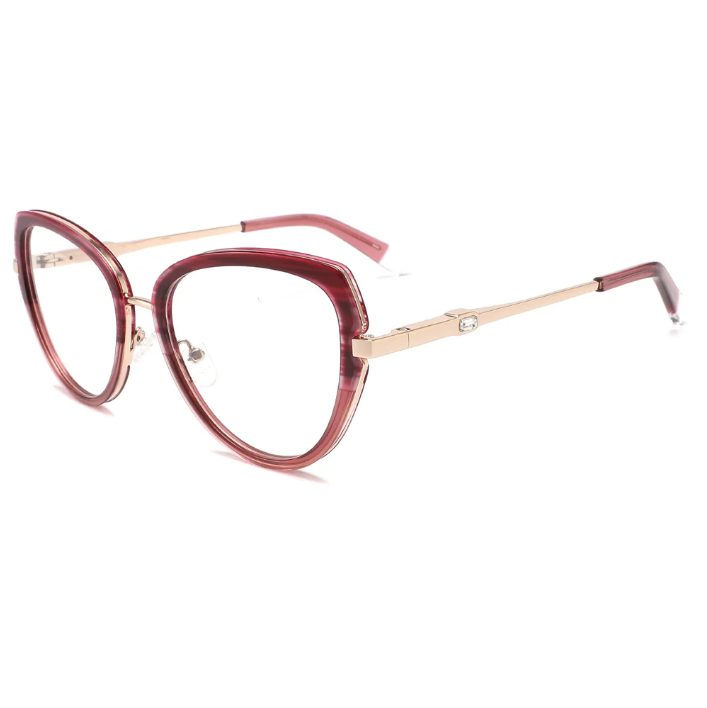
Optical frame manufacturers in China are adopting ESG practices through material management, production controls, worker safety measures, and more transparent supply chain processes. Environmental responsibility, social management, and transparent supply chains have become important factors for many optical retailers and fashion brands. When choosing suppliers, businesses now consider not only product appearance and pricing but also manufacturing standards and long-term cooperation value.
For companies looking for reliable partners, optical frames manufacturers in China are exploring ESG-related practices to improve production processes and meet changing market expectations. We focus on combining practical manufacturing experience with responsible production methods to support global eyewear businesses.
Understanding Why ESG Matters in the Eyewear Industry
ESG refers to environmental, social, and governance practices that guide companies in making responsible business decisions. In the eyewear industry, these ideas can influence material selection, factory operations, worker management, and quality control.
For optical businesses, choosing suppliers with responsible production awareness can help create more stable supply chains. Retailers and brands often need products that meet customer expectations while maintaining consistent quality and delivery schedules.
Environmental considerations are becoming more relevant in eyewear manufacturing. Frame materials, production waste, packaging choices, and energy usage are areas where manufacturers can improve their processes.
Social responsibility is also an important part of ESG. Safe working conditions, professional production management, and clear communication with customers help create reliable partnerships between manufacturers and buyers.
How Material Choices Support More Responsible Production
Materials play an important role in the development of optical frames. Acetate, metal, and other frame materials are selected based on product requirements, design concepts, and customer preferences.
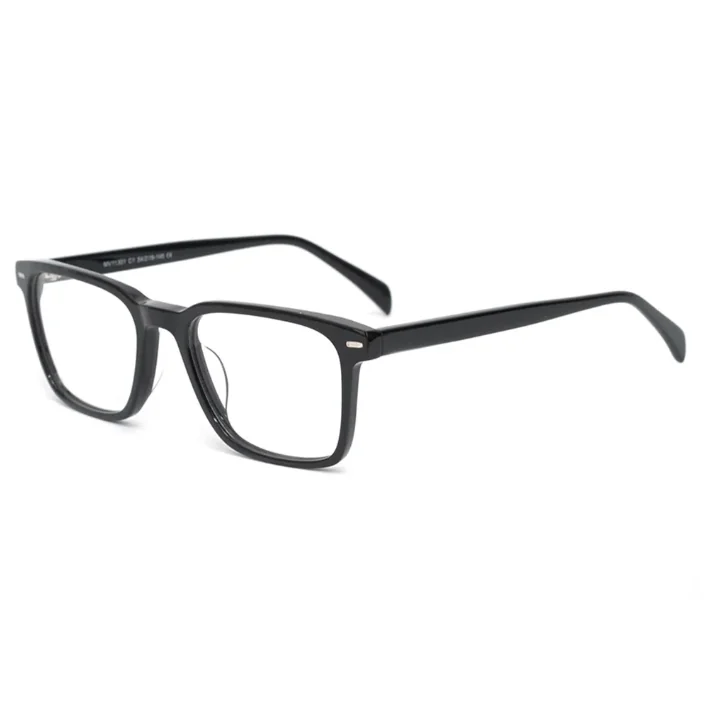
Acetate frames are widely used because they offer comfortable wearing experiences and flexible design possibilities. For example, our acetate optical frames are designed for optical stores and computer glasses collections, featuring lightweight comfort and fashionable styling.
At JHEYEWEAR, we provide acetate eyeglass frames with square shapes, unisex designs, and a size specification of 54-16-140. The products support OEM and ODM projects, allowing customers to customize logo, color, material, and packaging based on their brand needs.
Responsible material management also requires attention during production. Manufacturers need to control processing steps, reduce unnecessary waste, and maintain stable product standards throughout manufacturing.
Improving Manufacturing Management Through ESG Practices
ESG development is not only about materials. Production management, quality inspection, and supply chain communication are also important parts of responsible manufacturing.
A professional eyewear supplier needs clear quality control procedures. Frame appearance, structure, lens protection, and packaging details should be checked before products reach customers. This helps reduce issues during retail sales and improves customer satisfaction.
For wholesale buyers, cooperation with experienced suppliers can simplify purchasing processes. We have more than 10 years of export experience and understand the requirements of different international markets.
As one of the optical frames manufacturers in China, we support wholesale customers with factory-direct production, flexible ordering options, and quality management systems. Our ready-stock products are available for faster delivery, while customized projects are developed according to customer designs and quantity requirements.
Supporting Brand Development With Flexible OEM and ODM Services
Many optical retailers and fashion brands want products that match their own market positioning. OEM and ODM services allow businesses to develop unique eyewear collections without building their own manufacturing facilities.
Customization can include logo design, frame colors, materials, and packaging solutions. This flexibility helps brands create products that fit their customers’ preferences while maintaining professional manufacturing support.
For stock products, MOQ typically starts from 100 pairs, while customized projects generally require around 1200 pairs depending on product specifications and order requirements. Ready-stock products can typically be shipped within 3-5 days, while customized production may require approximately 7-45 days depending on product style, specifications, and quantity.
The development of ESG standards encourages manufacturers to focus on both efficiency and responsibility. Flexible production models, quality control, and customer communication are important parts of building sustainable business relationships.
Quality Control and Supply Chain Reliability
Quality stability is closely connected with responsible manufacturing. Optical products are used daily, so frame durability, comfort, and appearance are important considerations for retailers and distributors.
We apply inspection procedures during production and provide a one-year warranty for our products. Our packaging method includes two-side lens protection and OPP bag packaging to help protect products during transportation.
For businesses purchasing optical frames in bulk, delivery reliability is also an important factor. Delays may affect seasonal promotions and sales plans. Therefore, manufacturers need to balance production capacity, inventory management, and customer requirements.
Through continuous improvement in production management and service processes, we help customers develop stable eyewear supply solutions. This approach supports long-term cooperation with optical stores, fashion brands, and wholesale distributors.
Moving Toward More Sustainable Eyewear Partnerships
ESG standards are influencing how eyewear companies evaluate suppliers and manage product development. From material selection to factory operations, responsible practices are becoming part of modern supply chain planning.
When businesses work with optical frames manufacturers in China, they can benefit from professional production capabilities, customization support, and market experience. These factors help brands respond to changing customer demands while maintaining practical business operations.
At JHEYEWEAR, we continue improving our manufacturing services by focusing on product quality, flexible customization, and efficient delivery. By combining industry knowledge with responsible production methods, we aim to provide reliable eyewear solutions for global partners and support sustainable growth in the optical market.