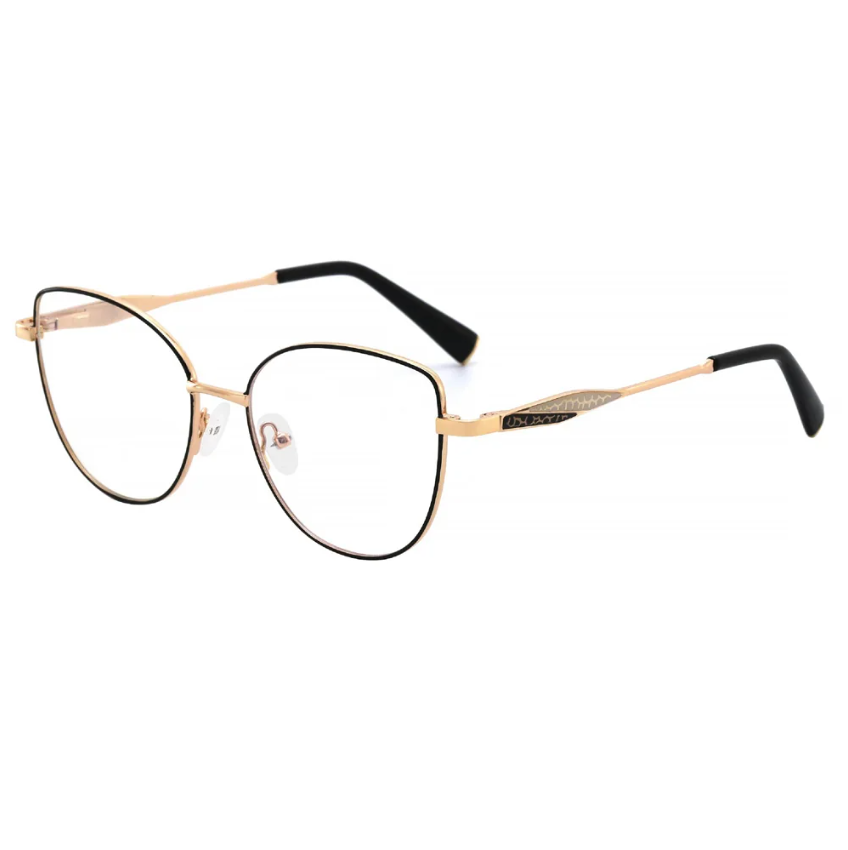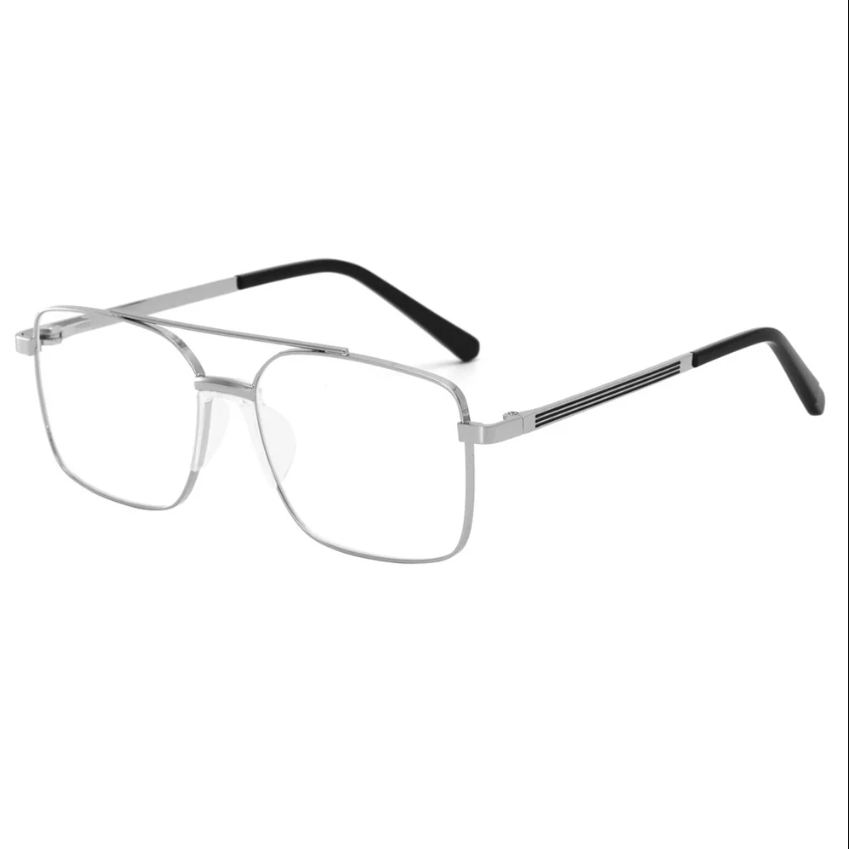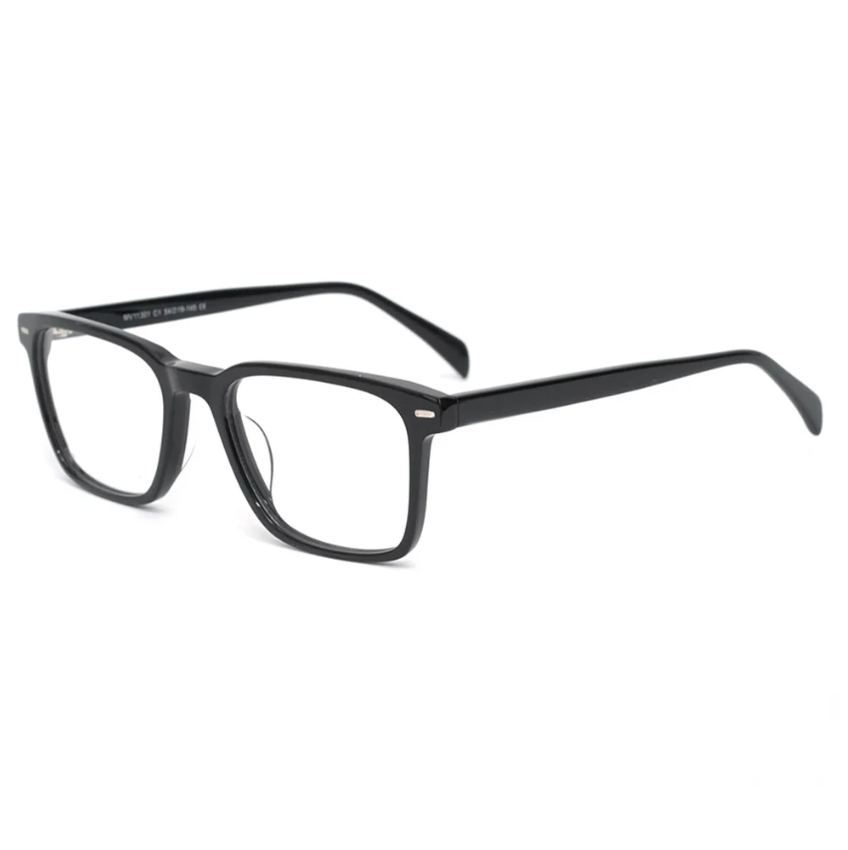
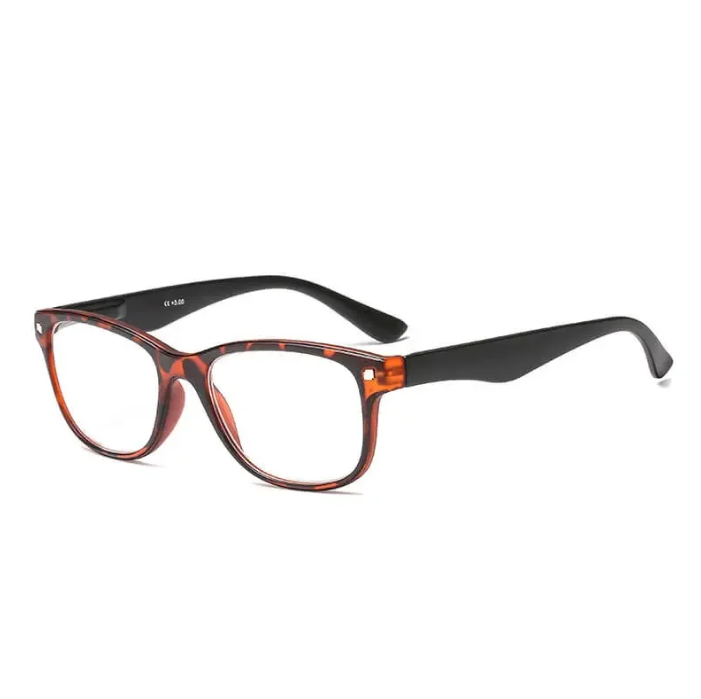
Mechanical Stability and Material Science of Metal Frame Eyewear
When we evaluate the lifecycle of optical products, structural integrity remains the primary metric for determining long-term value in a B2B context. For wholesalers and

When we evaluate the lifecycle of optical products, structural integrity remains the primary metric for determining long-term value in a B2B context. For wholesalers and

The longevity and aesthetic appeal of metal eyewear depend heavily on the surface treatment technologies applied during the manufacturing phase. For B2B stakeholders, the technical

Corp orate gifting often serves as a silent ambassador for a company’s values, reflecting the level of appreciation held for partners and employees. While traditional

Sourcing eyewear at scale presents a unique set of industrial variables that manufacturers must control with strict precision. When dealing with high-volume production, slight deviations

In eyewear manufacturing, the conversation around scalability is increasingly centered on how production systems handle consistency without compromising material behavior. This is especially relevant for

Across the eyewear industry, manufacturing partnerships have become more complex as brands place greater focus on customization, delivery stability, and product consistency. Many importers entering

For eyewear brands and optical distributors, consumer expectations around comfort have changed significantly over the past few years. Glasses are no longer viewed as simple

Maintaining a competitive edge in the optical industry requires a deep understanding of industrial engineering and synchronized manufacturing cycles. For B2B buyers, the time elapsed

The phase of product development that is frequently the most sensitive is the one in which a design sketch is transformed into a functional prototype.

Maintaining a high standard for optical frames requires more than just a signed contract; it demands a physical presence or a trusted third-party audit at